
How to Get More HVAC Customers Without Spending More on Ads
Most HVAC companies don't have a lead problem — they have a leak problem. Here's how to win more jobs from the calls and customers you already have, with zero extra ad spend.

Most HVAC companies don't have a lead problem. They have a leak problem.
The phone rings — from ads, from Google, from referrals — but calls slip to voicemail after 5pm, website inquiries sit unanswered for hours, and hundreds of past customers who'd happily rebook are never contacted again. You're already paying to make the phone ring. The real question is how many of those opportunities you actually catch.
This guide walks through how to get more HVAC customers by fixing those leaks first — capturing every call, following up in seconds, and reviving the customers you already earned — all with zero extra ad spend. Spend on ads later, once the bucket holds water.
Key takeaways
- HVAC growth is usually lost to leaks — missed calls, slow follow-up, and forgotten past customers — not a shortage of leads.
- Home service companies miss ~62% of inbound calls, and ~85% of those callers never call back.
- The fastest wins cost nothing extra: auto-text every missed call in 30 seconds and run seasonal campaigns to past customers.
- Automation (e.g., n8n) ties capture, follow-up, reviews, and reactivation into one system that runs 24/7.
Why do HVAC companies stop growing? (it's not lead volume)
When an HVAC business plateaus, the instinct is to buy more leads. But more leads poured into a leaky system just means more waste. Three quiet leaks drain most of the revenue:
- Missed and after-hours calls. A homeowner with a dead AC won't leave a voicemail — they'll call the next name on Google.
- Slow follow-up. Leads that aren't contacted within minutes go cold. In local markets, the business that responds first usually wins.
- Forgotten past customers. The people who already trust you are your cheapest source of new jobs, yet most companies never reach back out.
Fix these three and you grow without touching your ad budget. Here's how.
1. Catch every missed call automatically
This is the single highest-ROI fix in home services. Industry data shows home service companies miss around 62% of inbound calls, and roughly 85% of callers who hit voicemail never call back. Each of those is a $300–$500 job — or a five-figure install — going to a competitor.
The fix is simple: an automated missed-call text-back. The moment a call goes unanswered, the caller gets a text within 30 seconds — "Sorry we missed you! What's going on with your system?" Text messages have a ~98% open rate, so instead of losing the lead, you're back in the conversation before they dial anyone else.
You don't need to change your phone system or add staff — this runs on top of what you already have. It's the first thing we set up for HVAC clients because it pays for itself almost immediately.
Curious what your own line does after hours? Get a free missed-call audit — we'll call your number like a customer would and show you exactly what happens.
2. Respond to new leads in seconds, not hours
Speed-to-lead is the difference between a booked job and a cold one. A website form, an Instagram DM, or a Google Lead that isn't answered fast gets snapped up by whoever replies first.
Set up an instant response so every new inquiry — no matter the channel — triggers a text and email back within a minute, plus an alert to whoever books jobs. This is exactly the kind of connected system that separates growing companies from stuck ones; our lead generation guide breaks down the full capture-to-follow-up flow.
3. Revive your past customers (your cheapest jobs)
Every HVAC company is sitting on a goldmine: past customers who haven't booked a service or tune-up in months. They already trust you — reaching them is far cheaper than winning a stranger.
A short, automated database reactivation campaign does the work: a friendly "it's been a while — time for your seasonal check-up" message by text and email to your customer list. Seasonal timing does the heavy lifting — AC tune-ups before summer, heating checks before winter practically sell themselves. One campaign can book a week of work from people you already know.
4. Turn happy customers into reviews (and reviews into calls)
Reviews are the currency of local search. More (and more recent) five-star reviews lift you in Google's Map Pack, which is where most HVAC customers actually pick who to call.
The mistake most companies make is asking inconsistently. Automate it: the moment a job is marked complete, the customer gets a text with a direct review link. Even a small bump in review volume compounds into higher local rankings and more inbound calls — a flywheel that keeps spinning for free.
5. Own your Google Business Profile and local SEO
For HVAC, your Google Business Profile and the local Map Pack matter more than almost anything else. Keep your profile complete and active: accurate hours, service areas, photos, services listed, and a steady stream of reviews (see #4).
Longer term, publishing helpful content — seasonal maintenance tips, "furnace vs heat pump" comparisons, troubleshooting guides — builds topical authority and pulls in organic traffic. It compounds slowly but never stops; a solid SEO strategy is the foundation of a lead engine that doesn't depend on paid clicks.
6. Work with the seasons, not against them
HVAC demand is deeply seasonal — search interest can double or triple heading into cooling season, then spike again for heating. Growing companies plan for this instead of reacting to it.
Line up your reactivation campaigns and promotions ahead of each swing: AC tune-ups in early spring, heating checks in early fall. Getting in front of demand before your competitors do means you fill the calendar while they're still scrambling.
7. Make referrals automatic
Word of mouth is the most trusted channel in home services, but most companies leave it to chance. Add a simple, automated ask: after a great job (and a five-star review), send a short message offering a small incentive for referring a neighbor. Systematizing the ask turns your best customers into a steady, no-cost lead source — see HVAC referral programs for the full playbook.
The math: what leaks are really costing you
Put rough numbers on it. If you miss even 5 calls a week and 85% never call back, that's about 4 lost opportunities weekly. At a conservative $400 average job, that's roughly $1,600 a week — over $80,000 a year — walking to competitors. And that's before counting slow follow-ups and un-contacted past customers.
Against those numbers, plugging the leaks isn't a nice-to-have. It's the cheapest growth available to you.
How automation ties it all together
Doing all of this by hand is impossible when your team is in the field — which is exactly why it doesn't happen. Automation is what makes it run without you.
A workflow tool like n8n connects the whole system: it texts back every missed call, alerts the owner, sends seasonal reminders to your customer list, requests a review after each job, and routes new leads instantly. Everything happens in seconds, 24/7, while your crew focuses on the work. That's the difference between knowing you should follow up and actually doing it every single time.
Start with one leak
You don't have to build all of this at once. Start with the biggest leak — almost always missed and after-hours calls — prove the ROI in a week, then layer on the rest.
The best first step costs you nothing: get a free missed-call audit. We'll test your line like a real customer, show you exactly what's slipping through, and map the fastest fix for your business. No obligation — just a clear picture of the jobs you're leaving on the table.
Frequently Asked Questions
The fastest win almost always comes from plugging leaks, not buying more leads. Auto-texting every missed call within 30 seconds and running a short 'time for your tune-up' campaign to past customers both book jobs within days and cost nothing in new ad spend. You already earned those contacts — you're just recovering the ones slipping away.
Home service companies miss roughly 62% of inbound calls, and about 85% of callers who reach voicemail never call back — they dial the next company. With an average HVAC job worth $300–$500 (and installs far more), even a handful of missed calls a week adds up to tens of thousands of dollars a year walking straight to competitors.
Usually not first. Most HVAC companies are already paying — in ads, trucks, and time — to make the phone ring, then losing those calls to voicemail, slow follow-up, or forgotten past customers. Fixing the follow-up system captures jobs you already paid to attract, which is far cheaper than buying more clicks.
Automation removes the delay that kills conversions. A tool like n8n can text back every missed call in seconds, alert the owner, send seasonal tune-up reminders to your customer list, and request reviews after every completed job — automatically, 24/7. Your team stays in the field while the system catches and revives revenue in the background.
Run a simple audit: call your own number after hours and see what happens, time how fast a website inquiry gets a reply, and check whether you ask every happy customer for a review. Most companies fail at least one. Fixing those three leaks reliably beats pouring more money into the top of a bucket with holes in it.
Related Articles

How Much Are Missed Calls Costing Your HVAC Business?
Every missed call at an HVAC company is a job walking to a competitor. Here's the real math — and how to recover those calls automatically with a 30-second text-back.

HVAC Database Reactivation: Revive Past Customers for New Jobs
Your past customer list is the cheapest source of new HVAC jobs you have. Here's how a short automated reactivation campaign turns dormant customers into booked work.
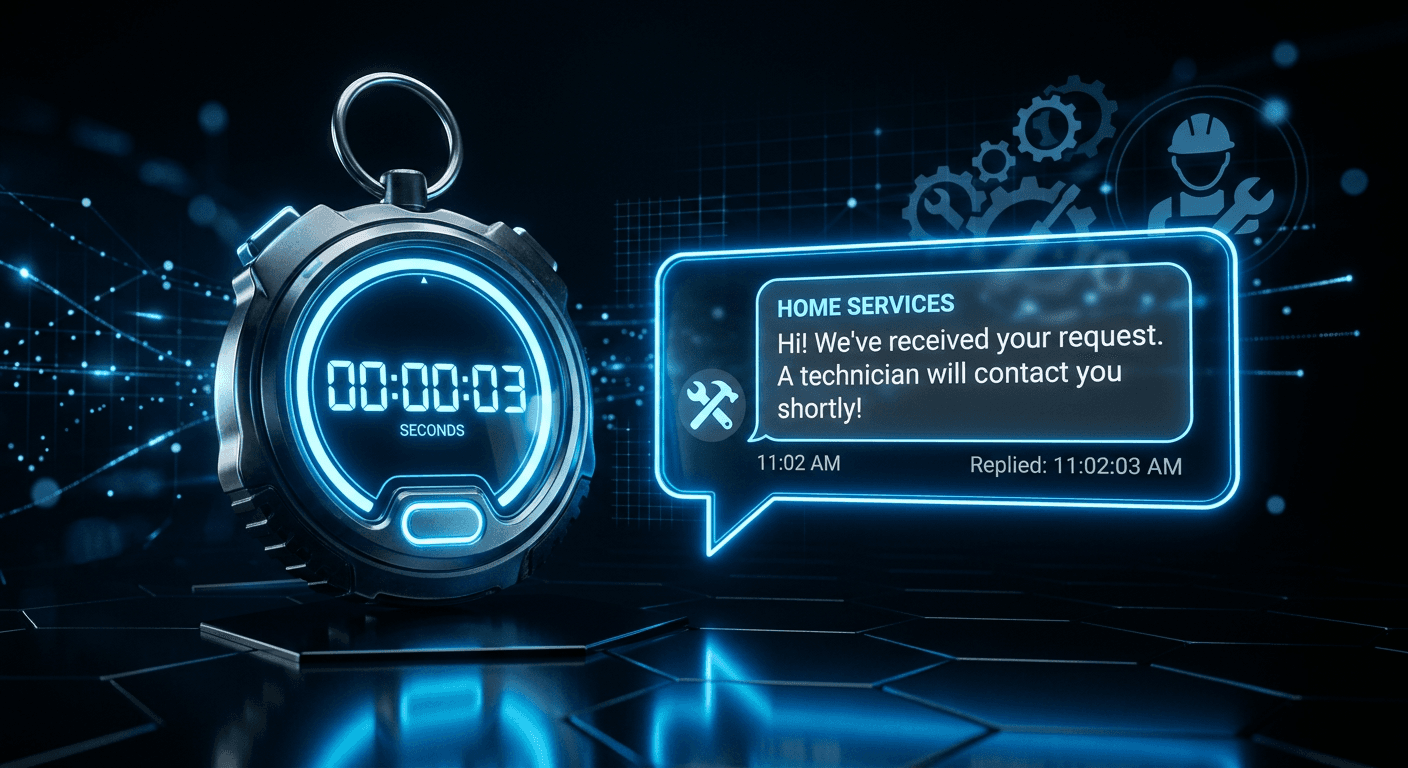
Speed-to-Lead for HVAC: Why the First to Respond Wins
In HVAC, the company that responds first usually books the job. Here's why speed-to-lead matters more than lead volume — and how to reply to every inquiry in seconds.
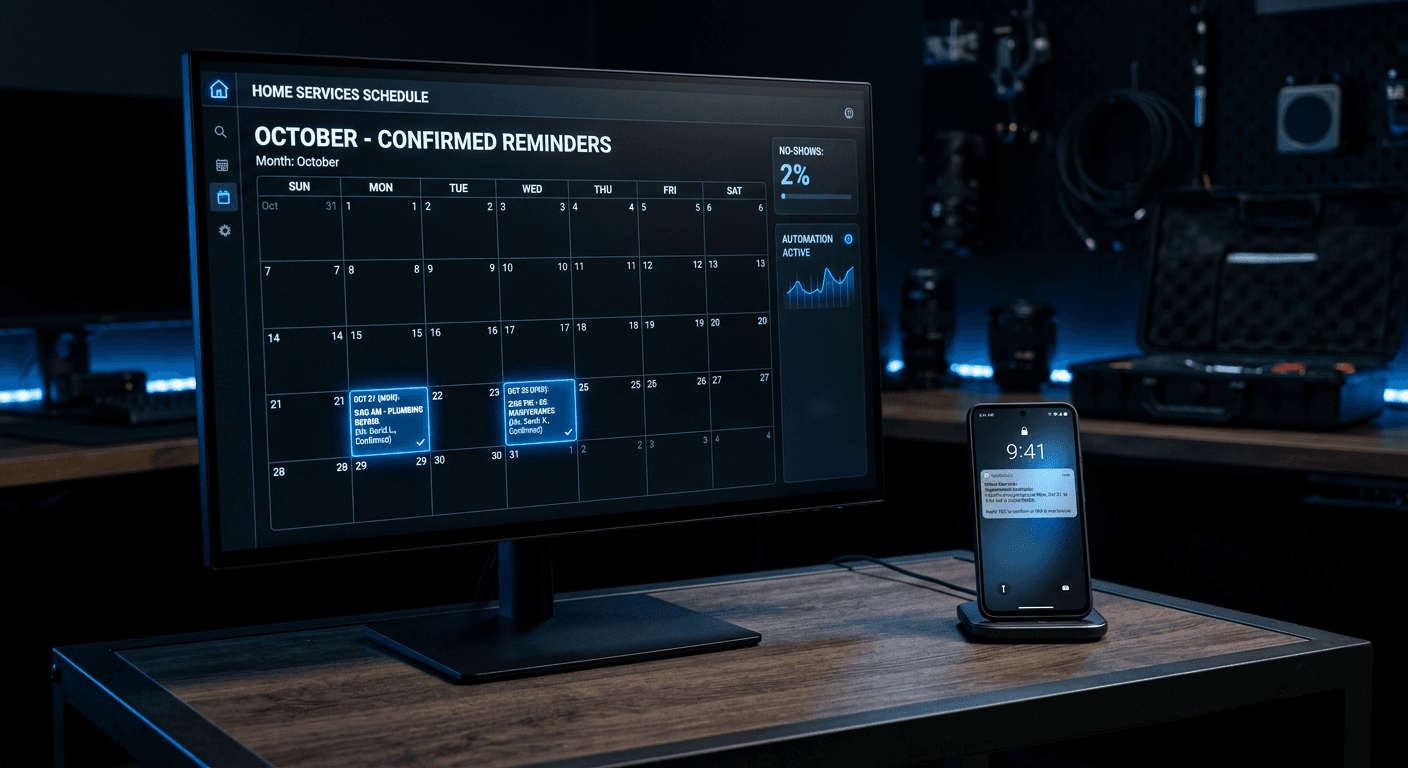
Cut HVAC No-Shows: Automated Appointment Reminders That Protect Revenue
Every no-show is a wasted truck roll and a lost slot you could have sold. Here's how automated appointment reminders and confirmations cut HVAC no-shows and protect the revenue you've already booked.